Ray Bradbury wrote a short story in 1951 that has haunted me since I first read it as a teen-ager. And as I walked the streets of my neighborhood late Thursday night, I saw the perfect illustration of what Bradbury warned us about.
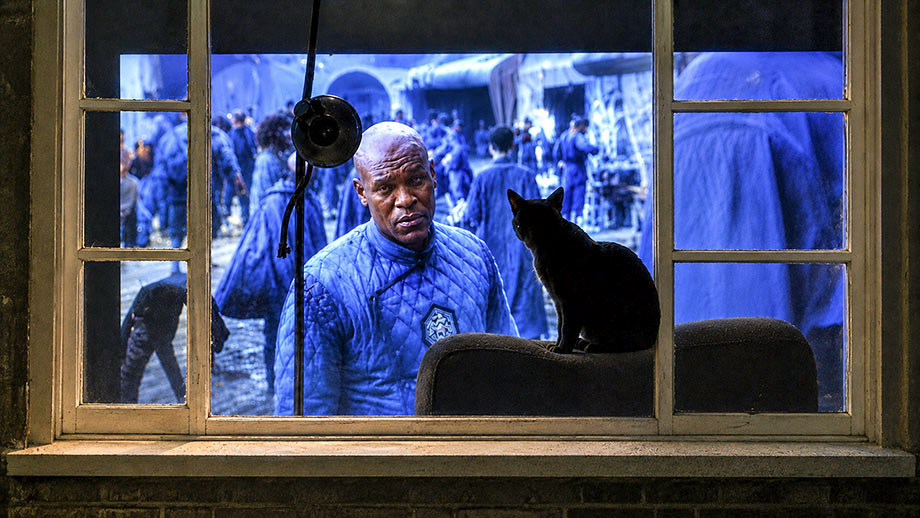
I snapped this photo with my iPhone as I passed a house close to home. These people have a television set that’s almost as big as the massive front window of their house.
As I stood there in the dark street, I watched a house where the television set was larger than life. The people inside were apparently engrossed in a movie. Their cat and I were still in the real world, but their real world seemed to have been consumed by a giant television.
“The Pedestrian” is a simple tale about a man who walks in his own neighborhood every night. It’s about a man who hasn’t changed himself to become what his culture has demanded that “normal” people become.
Tonight, I felt like the man from the story.
But the people inside this house are the normal ones who conform to what our culture offers. I’m the iconoclast who sees hidden danger in what my culture offers me in a shiny package.
 UPDATE: After surgery, maybe I’ll eventually start feeling better
 Shame of not being perfect comes with every new thing I try to do
 Sharing mundane details of life is underrated joy of loving someone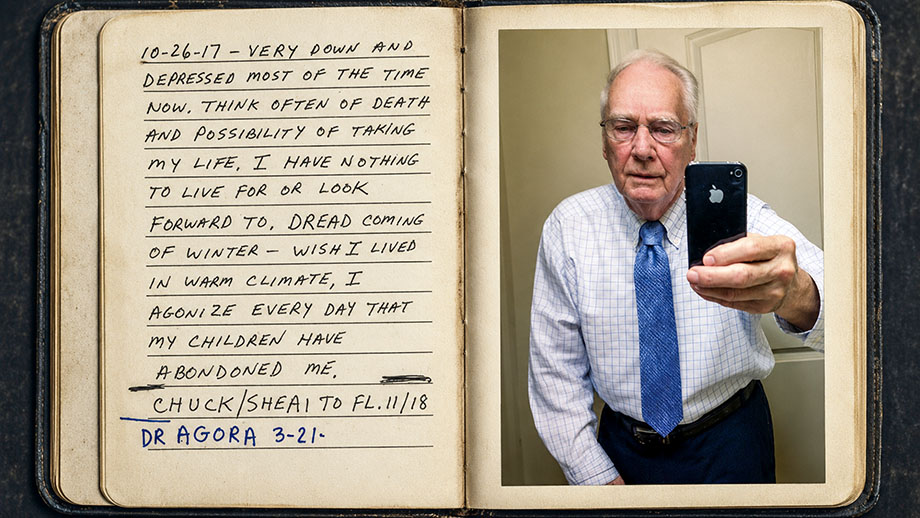
 Fear of making trade-offs to get best life leaves us with nothing
 We all see bits and pieces of reality; not a one of us sees whole picture
 Without things to look forward to, the human heart gets ready to die
 Midlife becomes big crisis when our self-deception stops working
 If you want to honor military dead, stop supporting unnecessary wars
 Apologize while you still can, because you’ll live with regret